Be Kind or Be Quiet Fingers Shh: A Designer's Review
As a designer who spends more time staring at stitch maps than most people spend looking at their phones, I approach every new machine embroidery design with a mix of excitement and skepticism. We have all been there: you download a cute file, load it onto your machine, and halfway through the run, you realize the satin columns are too wide or the text is going to turn into a bird's nest. That is why I took a close look at the Be Kind or Be Quiet Fingers Shh design by Caty Catherine before committing it to any client projects. This isn't just a digital asset; it is a statement piece that needs to hold up under the scrutiny of a needle and thread.
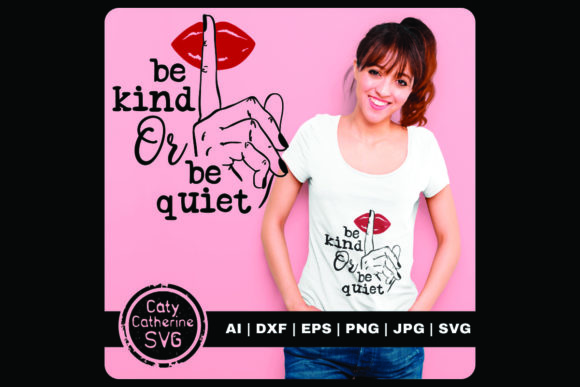
The first impression of this Graphics file is its playful yet firm personality. The combination of a kindness quote with the universal "shh" finger gesture creates an immediate mood. It is sassy but sweet, making it perfect for modern nurseries, teacher gifts, or boutique apparel that wants to stand out without being aggressive. Visually, the layout feels balanced. The typography appears clean enough to translate well into stitching, provided the resolution holds up when converted from the provided SVG File or EPS into a native embroidery format. For those of us in the craft business, the visual appeal is high because it speaks directly to current trends in social-emotional learning and gentle parenting.
Real-World Application: The Tote Bag Test
To truly evaluate this design, I imagined a specific real-life scenario: creating a custom tote bag design for a local elementary school teacher appreciation week. Teachers often deal with noisy classrooms, so the "Be Quiet" element resonates deeply, while the "Be Kind" message reinforces their daily mission. I visualized this stitched onto a heavy canvas tote using a contrasting thread color.
In this context, the Be Kind or Be Quiet Fingers Shh design shines as a conversation starter. If executed correctly with a proper fill stitch for the larger areas and a crisp satin stitch for the outlines, it elevates a simple bag into a handmade product that feels professional. Customers love items that reflect their personality or profession. A teacher carrying this bag isn't just hauling papers; they are wearing their philosophy. For an Etsy seller, this kind of specific targeting is gold. It moves beyond generic "teacher" gifts into something with character.
However, the transition from a vector graphic to a physical embroidery project requires careful planning. Since the source files include Transparent PNG and JPG alongside the vectors, digitizing this for embroidery (if not already digitized) gives you control over the stitch density. If you are using a pre-digitized version, you must verify that the small details in the fingers and the lettering do not get lost. Tiny text can easily become illegible if the stitches are too dense or if the fabric texture interferes.
Navigating Fabric and Hoop Challenges
Not every surface is created equal. While this design would look fantastic on a structured item like a cap or a denim jacket, it requires caution on stretchy or textured fabrics. If you attempt sweatshirt embroidery with this design, the looped texture of French terry can swallow fine details. In such cases, I recommend using a cut-away stabilizer rather than tear-away to prevent distortion after washing. The "shh" finger detail is intricate; if the fabric shifts even slightly during the hoop-up process, the definition of the hand gesture could blur.
Curved surfaces present another hurdle. Placing this on a baseball cap requires a smaller hoop size and potentially scaling the design down. Here lies the risk: shrinking the Be Kind or Be Quiet Fingers Shh design too much might compromise the readability of the text. As a rule of thumb, if the letters are thinner than 3mm in the final stitched version, they may not fill cleanly. Always test the design on scrap fabric identical to your final material. This is non-negotiable for maintaining professionalism and customer trust.
Dark fabrics offer a dramatic backdrop for this design, allowing light-colored threads to pop. However, you must ensure your digitizing software (or the file provider) has accounted for pull compensation. On dark materials, gaps between stitches reveal the fabric underneath, which can make the design look sparse. A slightly higher stitch density or a layer of underlay stitching can solve this, ensuring the finished product looks solid and vibrant.
Commercial Viability and Brand Consistency
For small shop product lines, consistency is key. If you are building a brand around kindness quotes or nursery decor, this design fits seamlessly. It works well for baby embroidery on onesies, provided the scale is appropriate for the small garment area. Parents are increasingly drawn to items that promote positive affirmations, making this a strong contender for holiday embroidery gifts or baby shower presents.
From a commercial standpoint, the versatility of the file formats provided—DXF, SVG, EPS—is a significant plus. It means you can use the artwork for more than just stitching. You could create printable mockup previews for your online store, design matching vinyl decals, or use the design assets for social media marketing. This multi-use potential increases the return on investment for your purchase. However, always double-check the licensing terms included with the download from Caty Catherine. While the file formats suggest flexibility, commercial rights for selling finished physical goods versus digital resales can differ.
Practical Notes for the Serious Maker
Before running a production batch of these designs, consider the following technical checkpoints:
- Thread Contrast: Test the design in black and white mockups first. If the design relies solely on color to distinguish the hand from the text, it might fail when stitched in monochrome or low-contrast threads.
- Stitch Clarity: Inspect the corners of the text and the fingertips. These are high-risk areas for thread breaks or bunching. Ensure your machine tension is dialed in.
- Fabric Selection: Avoid highly textured towels for this specific design unless you use a water-soluble topping to keep the stitches sitting on top of the loops.
- Washability: Since this is likely for apparel or frequently used items like aprons, ensure the stitching can withstand frequent washing without fraying. Dense areas should be checked for stiffness; too much density can make a baby garment uncomfortable.
- Licensing Verification: Confirm whether the license allows for unlimited sales of finished physical items or if there is a cap. This is crucial for scaling your craft business.
In conclusion, the Be Kind or Be Quiet Fingers Shh design offers a charming blend of humor and heart that resonates with today's market. It is not just a pretty picture; it is a functional design element that, when treated with the right technical respect, can become a staple in your custom apparel or home decor lineup. Whether you are creating a single personalized gift or a run of commercial embroidery for a boutique, this design has the potential to deliver high value. Just remember: the difference between a good product and a great one often lies in the preparation. Test your stabilizers, mind your densities, and let the message of kindness shine through in every stitch.