Be Kind Love Heart: A Designer's Review for Real Embroidery
As someone who spends more time staring at stitch maps than most people care to admit, I approach every new machine embroidery design with a mix of excitement and skepticism. We have all been there: you download a cute file, load it onto your machine, and halfway through the stitching process, you realize the density is too high for that fluffy towel or the lettering is so thin it will vanish after one wash. That is why I took a close look at the Be Kind Love Heart design by Caty Catherine before committing it to any client projects or personal gifts. This isn't just about whether it looks good on a screen; it is about how it performs as a finished product in the real world.
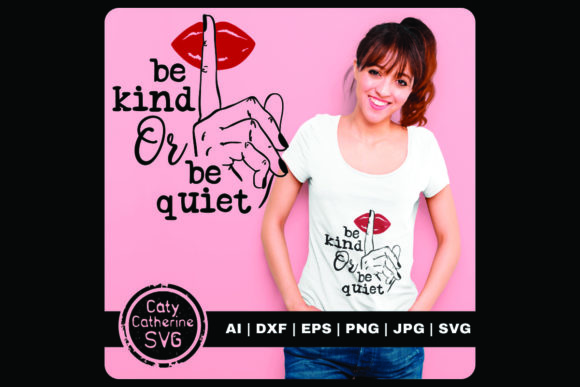
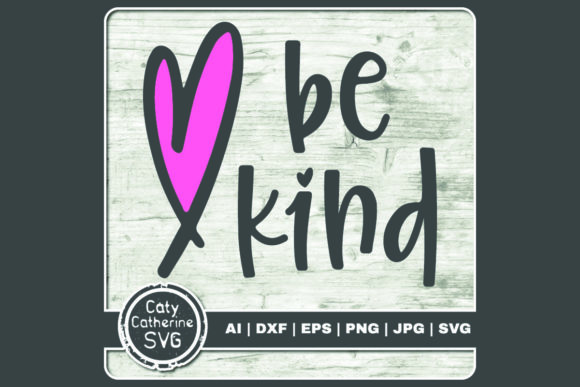
The first thing that strikes me about Be Kind Love Heart is its mood. In a market saturated with aggressive branding and overly complex graphics, this design offers a moment of softness. The layout combines a classic heart motif with a gentle, encouraging quote. Visually, it feels balanced. The typography appears legible without being blocky, which is crucial for embroidery where thread buildup can obscure small details. For those of us running a craft business or selling on Etsy, visual personality matters. This design screams "handmade with care," making it an ideal candidate for boutique branding or personalized items where emotional connection drives the sale.
Putting the Design to the Test: Real-World Scenarios
To truly evaluate an embroidery file, you have to imagine it on actual substrates. I mentally placed Be Kind Love Heart on a few common projects to see where it shines. My immediate thought was a custom embroidered tote bag. Tote bags are staples for small shop products, and the natural canvas texture provides a great backdrop for the heart shape. The design seems substantial enough to stand out against the weave of the fabric without getting lost.
Another strong contender is sweatshirt embroidery. There is a huge demand for cozy, message-driven apparel right now. Placing this design on the left chest of a crewneck or centered on a hoodie could create a best-selling item for the holiday season. Because the theme is universal kindness, it works well for holiday embroidery gifts, teacher appreciation presents, or even baby embroidery projects for a nursery setting. Imagine this stitched onto a soft muslin blanket or a bib; the sentiment fits perfectly with new life and gentle parenting trends.
However, versatility is key for a digital embroidery file intended for commercial use. Could this work as an embroidered patch? Likely yes, provided the border is defined clearly in the digitizing. Patches are a low-risk way to test a new design before committing to garment decoration. It could also serve as a subtle accent on an apron for a baking enthusiast or a decorative element on a pillow cover for home decor lines. The simplicity of the concept allows it to cross over from custom apparel to home goods seamlessly.
Technical Considerations and Fabric Challenges
While the aesthetic appeal is clear, we need to talk about the technical execution. Every designer knows that what looks good in a printable mockup doesn't always translate to thread. When working with Be Kind Love Heart, attention to fabric choice is paramount. If you are stitching on textured fabrics like waffle knit or heavy terrycloth, you need to ensure the stitch density is appropriate. Too few stitches, and the fabric peeks through awkwardly; too many, and you risk puckering or breaking needles.
Special care is needed if you plan to use this on stretchy fabric or dark fabric. On dark garments, you must verify that the underlay is sufficient to prevent the background color from showing through the lighter thread colors of the heart or text. Conversely, on thin fabric, a heavy fill stitch could cause stiffness or distortion. This is where checking the specific hoop size requirements becomes critical. If the design is large, it might require a larger hoop, which limits its placement on smaller items like caps or infant onesies.
Curved surfaces present another challenge. If you are attempting this on a cap, the curvature can distort the text "Be Kind." Flat designs often need re-digitizing to flow correctly over a curved bill. For this specific file, since it is offered in vector formats like SVG, EPS, and AI alongside the embroidery-specific DXF, you have the flexibility to adjust the scale or potentially re-digitize elements if you have the skills. However, for most users, sticking to flat surfaces like t-shirts, tote bags, and pillow covers will yield the most professional finished product.
Enhancing Value and Brand Consistency
From a business perspective, the value of a design lies in its ability to build trust. A clean, well-executed stitch job tells the customer that you care about quality. Be Kind Love Heart has the potential to enhance your brand consistency if used repeatedly across different product lines. Whether it is on a hang tag, a packaging insert, or the product itself, the message reinforces a positive brand identity. For Etsy sellers and creative entrepreneurs, this kind of cohesive storytelling increases buyer engagement and encourages repeat purchases.
The clarity of the stitching directly impacts the perceived value of the item. If the small details in the heart or the ends of the letters are crisp, the item feels premium. If they are messy or prone to fraying, the perceived value drops instantly. Therefore, testing is not optional; it is a requirement for maintaining professionalism.
Practical Notes for the Smart Designer
Before you start stitching a batch of fifty shirts, here are my practical recommendations for working with this design:
- Test on scrap fabric first: Always run a sample on the exact material you intend to sell. Check how the stabilizer interacts with the fabric weight.
- Check thread color contrast: Ensure your chosen thread colors pop against the fabric. A red heart on a dark maroon shirt might look muddy; consider using a metallic or lighter shade for definition.
- Review stitch density: Look closely at the fill areas. If they look too solid, you might need to adjust your machine tension or switch to a lighter weight thread.
- Inspect small details: Zoom in on the digital preview. Are the corners of the heart sharp? Is the spacing between letters consistent? Tiny flaws become obvious once stitched.
- Mockup in black and white: Sometimes seeing a design without color helps you judge the balance and weight of the elements without being distracted by hue.
- Confirm licensing: Since this is a Graphics product within the Crafts category, double-check the license terms provided by Caty Catherine. Ensure you are cleared for commercial use if you plan to sell physical items made with this design.
It is also worth noting the file formats included: SVG, Transparent PNG, EPS, DXF, JPG, and AI. This variety is excellent. The DXF is likely your go-to for the embroidery machine, but having the AI and EPS files means you can easily create matching marketing materials, social media posts, or printable tags without losing quality. This makes the asset doubly valuable for a craft business looking to streamline their workflow.
In conclusion, Be Kind Love Heart feels like a versatile, emotionally resonant addition to a designer's library. It fits naturally into the current trend of mindful living and personalized gifting. However, its success depends entirely on your preparation. Respect the limitations of your materials, choose the right thread colors, and always prioritize a test stitch. When executed with care, this design can elevate a simple piece of fabric into a meaningful personalized gift or a standout item in your online store. It is a reminder that in our industry, the smallest details often carry the biggest impact.