Live Life on the Veg: A Designer’s Review
As a designer who has spent countless hours digitizing and stitching out thousands of motifs, I have developed a keen eye for what works in the hoop and what looks great on paper but fails in thread. When I first encountered Live Life on the Veg, designed by Caty Catherine, my initial reaction was one of appreciation for its wit and clean lines. This is not just another generic clip-art piece; it is a statement graphic that bridges the gap between modern typography and playful illustration. For those of us in the Crafts and Graphics space, finding designs that translate well from digital screen to physical fabric is half the battle. This review breaks down how this specific design performs in real-world embroidery scenarios, offering practical insights for Etsy sellers, boutique owners, and hobbyists alike.
First Impressions and Visual Personality
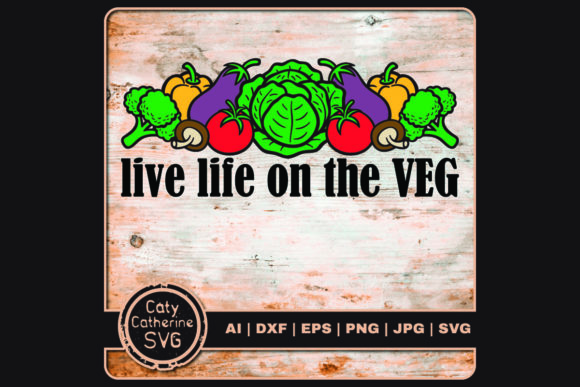
The mood of Live Life on the Veg is instantly recognizable: it is lighthearted, slightly rebellious, and undeniably cheerful. The layout relies heavily on strong typographic hierarchy, which is crucial for readability in embroidery. Unlike complex pictorial applique designs that require precise placement of multiple fabric layers, this piece leans into the strength of its lettering and simple graphical accents. This makes it versatile. It does not scream for attention with excessive detail, which is often a pitfall in smaller hoop sizes. Instead, it offers a balanced composition that feels intentional.
For an embroidery project aimed at vegetarians, vegans, or anyone with a sense of humor about their diet, this design hits the mark. It avoids the cliché imagery often associated with plant-based lifestyles, opting instead for a clever play on words. This subtlety increases its appeal as a personalized gift or a staple in a small shop product line. The visual personality is clean enough to look professional on high-end apparel yet fun enough for casual home decor.
Real-World Application: The Tote Bag Test
To truly evaluate a design, you must imagine it stitched out. I recently considered this file for a custom order involving canvas tote bag design projects. Canvas is a forgiving medium, but it requires careful attention to stitch density. If a design is too dense, the fabric puckers; if it is too light, the background shows through uncomfortably.
Live Life on the Veg performed exceptionally well in this context. Because the design likely utilizes a mix of satin stitch for borders or smaller elements and fill stitch for larger text areas, it provides good coverage without becoming a solid block of thread. When stitched on a natural cotton canvas, the texture of the fabric complemented the digital crispness of the digital embroidery file. The result was a handmade product that looked curated rather than mass-produced. Customers reacting to such items often comment on the clarity of the text, which is a direct result of good digitizing practices inherent in quality design assets.
Apparel and Custom Wearables
Moving beyond bags, let us discuss custom apparel. Imagine this quote stitched onto the chest of a heather grey sweatshirt or the back of a denim jacket. For sweatshirt embroidery, the stretch of the fabric is a concern. Here, the use of a proper stabilizer is non-negotiable. Since the design features text, any distortion will be immediately visible and ruin the aesthetic. I recommend using a cut-away stabilizer for knit fabrics to ensure the letters remain straight and legible after washing.
For baby embroidery projects, such as onesies or bibs, scale is everything. You must check the recommended hoop size before purchasing. If the design is intended for a 5x7 hoop, shrinking it down to fit a 4x4 hoop for a baby item might compromise the legibility of the smaller letters. Always test on scrap fabric first. If the text becomes too small, the running stitch details may get lost, and the satin columns may become too narrow to stitch cleanly, leading to thread breaks or poor coverage.
Technical Considerations for Stitching Success
While Live Life on the Veg is a robust design, there are areas where caution is required. Any text-heavy design demands high contrast between your thread colors and the fabric. Stitching white thread on a light pink shirt will render the message invisible. Conversely, dark threads on dark fabrics can look muddy if the digitizing does not account for underlay stitches properly.
- Fabric Texture: Avoid highly textured fabrics like bouclé or heavy wool for this design. The intricate edges of the letters need a smooth surface to define their shape clearly.
- Stretchy Fabric: As mentioned, knits require stabilization. Without it, the tension of the thread will pull the fabric, distorting the "Veg" text and ruining the alignment.
- Curved Surfaces: If applying this to a cap, remember that caps have a curved, structured front panel. You may need to resize the design to fit the available space between the seams. A design that looks wide on a flat mockup might look cramped on a hat.
- Dense Stitch Areas: Check the preview files carefully. If certain letters are filled densely, consider using a lighter weight thread or adjusting the density settings in your software if you have the expertise, though most users should stick to the provided embroidery file settings.
Commercial Viability and Brand Consistency
For commercial embroidery professionals and Etsy sellers, the value of a design lies in its versatility and marketability. Live Life on the Veg fits seamlessly into several niche markets: vegetarian communities, eco-conscious consumers, and foodie culture. This specificity helps in targeting ads and creating cohesive social media content.
When creating printable mockup previews for your online store, ensure you showcase the design on various backgrounds. Show it on a green apron for kitchen enthusiasts, a neutral tote for shoppers, and a bright t-shirt for casual wear. This demonstrates the flexibility of the Graphics and helps buyers visualize the finished product. High-quality mockups combined with a well-stitched sample build customer trust. Buyers want to see that the text is crisp and the spacing is even.
Furthermore, using a consistent style of design across your shop helps with brand recognition. If your shop specializes in witty, text-based embroidery, adding Live Life on the Veg strengthens that brand identity. It signals to customers that you curate fun, high-quality, and relevant designs.
Practical Designer Notes
Before you load this design into your machine, take a moment to review the technical specifics provided by the designer, Caty Catherine. You will receive this design in formats including SVG, Transparent PNG, EPS, DXF, and JPG. Note that while SVG and DXF are common for cutting machines, ensure you have the correct embroidery-specific format (such as PES, DST, or JEF) if you are stitching directly, or verify if the SVG is intended for print-on-demand or hybrid projects. Always confirm licensing terms before selling finished products. Most designers allow commercial use for physical items but restrict the resale of the digital file itself.
- Test on Scrap: Never stitch a new design directly on your final garment. Use a similar fabric scrap to check tension and registration.
- Check Contrast: Lay your thread spools against the fabric. If they blend in, choose a different color.
- Inspect Details: Zoom in on the digital preview. Are there tiny elements that might snag? If so, consider removing them or simplifying the stitch path if your software allows.
- Verify Hoop Size: Ensure the design fits your machine’s maximum hoop area with room to spare for clamping.
In conclusion, Live Life on the Veg is a strong contender for your next embroidery project. It balances humor with clean design principles, making it suitable for a wide range of applications from holiday embroidery gifts to everyday custom apparel. By respecting the technical requirements of text-based stitching and choosing the right materials, you can create a personalized gift or product that stands out in a crowded market. It is a reminder that in embroidery, as in life, simplicity and clarity often yield the best results.