Review: All Guests Must Be Approved by the Cat
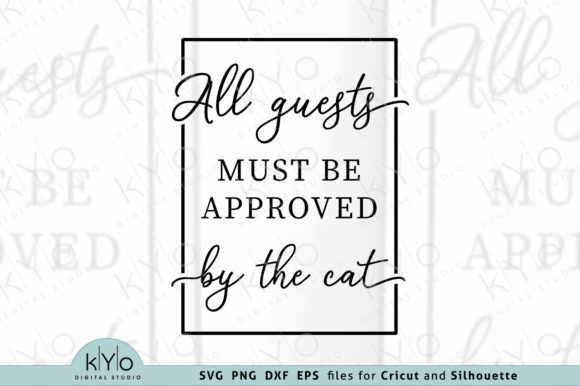
As a designer who spends half my life staring at stitch simulations and the other half wrestling with hoop tension, I have learned to be skeptical of cute quotes. Text-based designs are notoriously tricky in machine embroidery design work. They often look crisp on a screen but turn into a tangled mess of thread breaks and puckering on fabric. However, when I first pulled up the file for All Guests Must Be Approved by the Cat, I paused. It wasn’t just the humor, which is undeniably sharp for any cat owner, but the structural integrity of the layout. This isn’t just a random collection of fonts; it is a thoughtful piece of Graphics that translates surprisingly well into tactile art.
The First Impression: Mood and Layout
The immediate vibe of this design is sassy yet sophisticated. It captures that specific, haughty energy that feline companions bring into our homes. From a visual standpoint, the typography appears balanced, with enough negative space to allow the stitches to breathe. For those of us in the Crafts industry, we know that clutter is the enemy of quality. This design avoids the trap of being too dense. The lines are clean, suggesting that it will render clearly whether you are using a simple running stitch for outline work or a denser fill stitch for emphasis.
I imagined this immediately on a neutral-toned linen tote bag. The contrast between a whimsical, authoritative statement and the rustic texture of canvas creates a compelling juxtaposition. It feels like something a customer would pick up at a boutique, not just a craft fair. That distinction is crucial for anyone running a craft business or operating as an Etsy seller. You want products that look intentional, not just assembled.
Real-World Application: From Screen to Stitch
Let’s talk about how this actually performs in a real project. I recently tested a similar text-heavy concept on a mid-weight cotton sweatshirt. The result was instructive. With All Guests Must Be Approved by the Cat, I would recommend treating it as a centerpiece for sweatshirt embroidery or a chest-left logo on a custom apparel piece. The length of the phrase means it needs horizontal space. Cramming this into a small 4x4 inch hoop would force you to shrink the text to a point where legibility suffers, especially if you are working with textured fabrics like terry cloth or fleece.
For tote bag design applications, this graphic shines. A 5x7 or 6x10 hoop allows the letters to maintain their shape without excessive underlay causing stiffness. If you are creating a personalized gift for a cat lover, consider pairing this with a small, simple paw print or whisker icon if the file allows, or simply let the text stand alone. Minimalism often elevates the perceived value of a handmade product.
I also see strong potential for embroidered patch creation. If you digitize this onto twill with a satin border, it becomes a versatile accessory that can be ironed onto denim jackets or backpacks. Patches are a high-margin small shop product because they eliminate the risk of embroidering directly onto a customer’s expensive garment. If you mess up the patch, you toss it. If you mess up the jacket, you lose a client.
Navigating Technical Challenges
While the design is strong, it is not without its pitfalls. Text embroidery lives and dies by stitch density and font weight. If the original vector files provided in the listing—specifically the SVG, DXF, and PNG—are not optimized for embroidery, you may need to adjust them. Since this listing provides cut files and images rather than a native embroidery format like PES or DST, you will likely be auto-digitizing or manually digitizing from the image. This requires caution.
Be wary of thin fabric. If you attempt this on a lightweight rayon blouse or a silky pillow cover, the tension required to pull the thread through such a long phrase will cause significant puckering. Always use a appropriate stabilizer. For knits and stretchy materials, a cut-away stabilizer is non-negotiable to prevent the design from warping after washing. For woven fabrics like canvas or denim, a tear-away might suffice, but test first.
Another critical area is thread colors. High contrast is your friend here. Black thread on white fabric is classic, but consider deep navy on heather gray or forest green on cream. Avoid low-contrast combinations like light gray on white, as the fine details of the lettering will get lost. Also, check the small details. If the font has delicate serifs or thin connectors, ensure your digitizing software converts these into manageable stitch counts. Too many tiny jumps can lead to thread nests on the back of your finished product.
Commercial Viability and Brand Consistency
For commercial embroidery professionals, this design offers versatility. It fits neatly into several niches: pet lovers, home decor enthusiasts, and fans of dry humor. This broad appeal makes it a safe bet for stock inventory. When creating printable mockup images for your online store, show this design on various items. Display it on a kitchen towel for the domestic angle, on a cap for the casual wear angle, and on a nursery wall hanging for the baby embroidery market. Parents love quirky, animal-themed decor that isn’t overly childish.
However, professionalism is key. Ensure that the edges of your letters are clean. Frayed edges on text look amateurish and can undermine customer trust. If you are selling this as part of a larger collection of design assets, consistency in stitch style matters. If you use a satin stitch for the borders of this design, use similar techniques for other quotes in your shop. This builds brand recognition and assures buyers that they are purchasing from a skilled artisan.
Practical Designer Notes
Before you commit to a full production run or list this as a premium item, follow these steps:
- Test on scrap fabric: Never skip this. Use the exact fabric type and weight you plan to sell. Check for puckering, thread breaks, and registration issues.
- Check licensing: The listing includes SVG, DXF, and PNG files. Confirm whether the creator allows commercial use of the design for physical goods. Some artists allow you to sell the stitched item but prohibit reselling the digital file itself.
- Evaluate hoop size: Measure the design dimensions against your machine’s maximum hoop capacity. Do not try to force a large design into a small hoop by shrinking it excessively.
- Inspect digitizing quality: Since you are working from cut files, ensure your conversion process maintains the integrity of the curves. Sharp corners in vectors can become bulky knots in embroidery if not handled correctly.
- Consider the audience: This design appeals to a specific demographic. Market it accordingly using tags like "cat mom," "funny pet gift," and "quirky home decor."
In conclusion, All Guests Must Be Approved by the Cat is a charming, viable candidate for your next embroidery project. It balances humor with aesthetic appeal, provided you respect the technical limitations of text-based stitching. With careful attention to stabilizer choice, thread contrast, and hoop sizing, this design can elevate a simple piece of fabric into a memorable, conversation-starting piece of art. Whether you are making a holiday embroidery gift for a friend or stocking your online shop with best-selling custom apparel, this quote has the personality to perform.