Reviewing My Favorite People Call Mimi for Embroidery
As a designer who has spent countless hours digitizing and stitching out files for clients, I have learned that the emotional resonance of a design is just as important as its technical execution. When I first pulled up My Favorite People Call Mimi in my workspace, I wasn’t just looking at lines and nodes; I was looking at a potential bestseller for the upcoming holiday season. This piece falls squarely into the Crafts and Graphics categories, but its real value lies in how it translates from a digital embroidery file to a tangible, cherished item.
First Impressions and Visual Personality
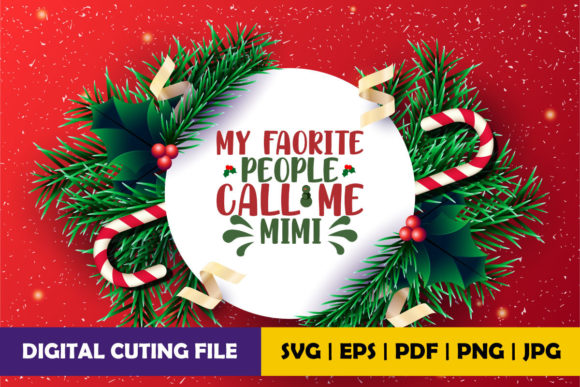
The immediate mood created by this design is one of warmth and familial pride. The layout appears balanced, likely utilizing a mix of script and sans-serif typography to create visual interest without sacrificing readability. For an embroidery project, clarity is king. If the lettering is too ornate or the elements are too crowded, the machine struggles, and the final product looks messy. From what I can observe, My Favorite People Call Mimi seems designed with clean lines that should allow for smooth satin stitch coverage and crisp fill stitch areas.
The theme is universally appealing to grandmothers, making it a staple for personalized gifts. However, as a reviewer, I look beyond the sentiment. I examine the negative space. Is there enough room between the letters for the fabric to breathe? Does the design rely on tiny details that might get lost in the stitching process? These are the questions that determine whether a design is merely cute or professionally viable.
Real-World Application: The Tote Bag Test
To truly evaluate this design, I imagine applying it to a heavy canvas tote bag. This is a popular item for Etsy sellers and small shop owners because it offers a large, flat surface area. In this scenario, My Favorite People Call Mimi would serve as the central focal point. The sturdy nature of canvas supports higher stitch density, meaning the text can appear bold and substantial without puckering the fabric excessively.
Imagine a customer ordering this for a Mother’s Day gift. They want something that feels handmade yet polished. If the design uses a combination of thread colors—perhaps a soft pastel for the word "Mimi" and a neutral tone for the surrounding text—it creates a sophisticated look. The contrast against a natural beige or deep navy tote bag would be striking. This is where the design’s versatility shines. It isn’t just a graphic; it is a branding element for the recipient, declaring their role in the family with pride.
Apparel and Soft Goods Considerations
Moving from totes to apparel, the dynamics change. Sweatshirt embroidery requires careful attention to stabilizer selection. A fleece or cotton blend sweatshirt is thick, but it is also stretchy. If My Favorite People Call Mimi has a high stitch count or dense fill areas, it could cause the garment to warp if not properly hooped and stabilized. I would recommend using a cut-away stabilizer for long-lasting durability, especially since these items are often washed frequently.
For baby embroidery, such as on a onesie or a soft blanket, the approach must be gentler. The design needs to be scaled down appropriately. Here, the legibility of the text becomes critical. If the font is too thin, it may not stitch out cleanly on terrycloth or minky fabric. I always advise testing the design on scrap fabric that matches the final product’s texture. This step saves time and prevents wasted materials. The goal is a finished product that feels soft to the touch, not stiff and board-like due to excessive stitching.
Navigating Technical Challenges
While My Favorite People Call Mimi is visually appealing, there are specific scenarios where caution is required. Small hoop sizes, such as 4x4 inches, might constrain the design if it is wide. Designers must check the dimensions before purchasing or downloading. If the design is intended for a cap or hat, the curved surface presents another challenge. Embroidering on structured caps requires a design that is not too tall, otherwise, it will distort around the seam.
Dark fabrics present a unique opportunity for creativity but also a technical hurdle. If the design includes light-colored thread, the background fabric must be covered completely to avoid show-through. This might require an underlay stitch strategy that the digitizer has already implemented, but it is worth verifying. Additionally, textured fabrics like linen or waffle knit can obscure fine details. In such cases, a simpler version of the design or a larger scale might be necessary to maintain clarity.
Enhancing Brand Value and Customer Trust
For commercial embroidery professionals and craft business owners, the quality of the design directly impacts brand consistency. Using a well-digitized file like My Favorite People Call Mimi signals professionalism. Customers can tell when a design is sloppy versus when it is crisp and well-executed. A clean stitch-out builds trust and encourages repeat business. It transforms a simple item into a premium personalized gift.
Moreover, this design fits seamlessly into seasonal marketing strategies. Holiday embroidery trends often favor sentimental messages. By offering this design on various products—from aprons to pillow covers—sellers can create a cohesive collection. The visual appeal of the design helps in creating attractive printable mockups for online listings. A strong mockup can significantly boost buyer engagement on platforms like Etsy, where competition is fierce.
Practical Designer Notes for Best Results
Before running this design on a customer’s expensive garment, I always follow a strict protocol. First, I check the license terms. Since this is a digital embroidery file, it is crucial to confirm whether it allows for commercial use. Most designers permit selling finished physical items, but reselling the digital file itself is usually prohibited. Always read the terms provided by the creator.
- Test on Scrap Fabric: Always stitch out a test sample on the same type of fabric you intend to use for the final product.
- Check Thread Contrast: Ensure your thread colors stand out against the fabric background. Use a color chart to preview the look.
- Review Stitch Density: If the design feels too stiff after stitching, consider reducing the density in your editing software if you have the skills, or choose a lighter fabric.
- Confirm Hoop Size: Measure the design dimensions against your machine’s hoop capabilities to avoid resizing issues that distort the aspect ratio.
- Inspect Small Details: Zoom in on the digital preview to ensure no elements are too close together, which could cause thread breaks or nesting.
In conclusion, My Favorite People Call Mimi is more than just a graphic; it is a versatile asset for any embroidery enthusiast or professional. Whether you are creating a custom apparel line, stocking your small shop with holiday gifts, or making a special present for a family member, this design offers a blend of emotional connection and aesthetic charm. By paying attention to fabric choice, stabilization, and stitch quality, you can ensure that the final result honors the sentiment behind the words. It is a solid addition to any library of design assets, ready to bring joy to both the maker and the receiver.