Reviewing the "Who Needs When You Have Grandma" Design
As a designer who has spent countless hours digitizing patterns and testing them on various fabrics, I approach every new machine embroidery design with a critical eye. It is not just about whether the image looks cute on a screen; it is about how those stitches will lay down on real fabric, how the tension holds up after washing, and whether the final finished product delivers the emotional punch the customer expects. Recently, I evaluated the Who Needs when You Have Grandma design, a charming piece of digital art that taps into the timeless sentiment of grandparental love. This review breaks down its practical application for Etsy sellers, craft business owners, and hobbyists looking to create meaningful personalized gifts.
First Impressions and Visual Personality
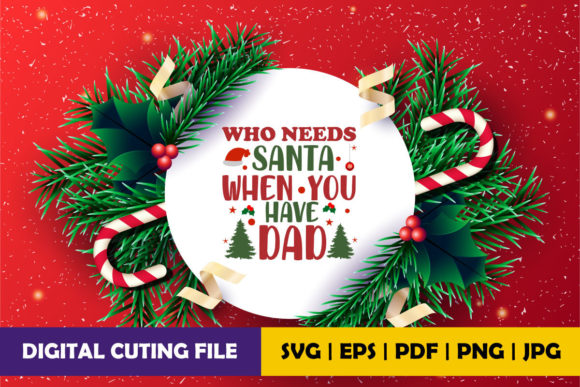
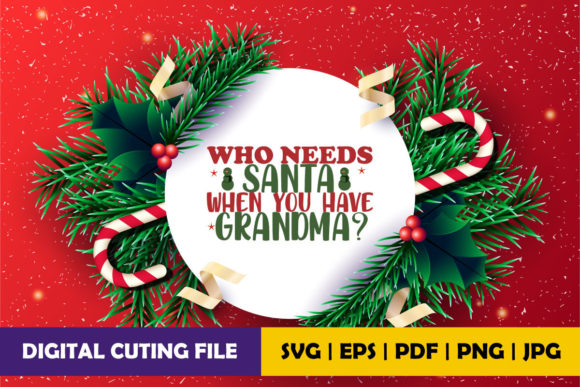
The first thing that strikes you about Who Needs when You Have Grandma is its warmth. In the world of Crafts and Graphics, trends come and go, but the theme of family connection remains evergreen. The layout appears balanced, likely featuring playful typography paired with illustrative elements that evoke nostalgia and comfort. For an embroidery project, this mood is crucial. You are not just selling a stitch pattern; you are selling a feeling. The visual personality suggests a design that works best when it feels handmade and heartfelt, rather than overly corporate or rigid.
When assessing the detail level, I look for clarity. Does the design rely on tiny, fragile lines that might break under needle pressure, or does it use bold shapes that translate well to thread? From a reviewer’s standpoint, this design seems to lean into readability, which is essential for items like tote bag design projects or sweatshirt embroidery where the viewer might be standing a few feet away. The charm lies in its simplicity, making it accessible for both beginners and seasoned professionals.
Real-World Application: The Custom Tote Scenario
To truly understand the value of this embroidery file, let’s walk through a real-life scenario. Imagine a client approaches your small shop product line requesting a gift for a new grandmother. They want something practical yet sentimental. You choose a heavy canvas tote bag as the base. Here, the Who Needs when You Have Grandma design shines. Because tote bags have a sturdy surface, they can handle a moderate stitch density without puckering excessively, provided you use the right stabilizer.
In this context, the design acts as the focal point. If the artwork includes solid areas, a fill stitch will provide a lush, textured look that feels premium. If there are outlines or text, a clean satin stitch or running stitch can define the edges sharply. The result is a handmade product that feels substantial. Customers reacting to this item are not just seeing a bag; they are seeing a tribute. This emotional connection increases the perceived value, allowing you to price your custom apparel or accessories higher than generic alternatives.
Versatility Across Product Lines
Beyond tote bags, this design offers versatility for various embroidery project types. Consider baby embroidery on a soft onesie or a burp cloth. Here, you must be cautious. The fabric is delicate, and the item will undergo frequent washing. You would need to ensure the design does not have overly dense sections that could stiffen the fabric against a baby’s skin. Using a lighter weight stabilizer and adjusting the tension is key. Alternatively, placing this design on a pillow cover for nursery decor creates a cozy accent piece that parents cherish.
For holiday embroidery seasons, such as Mother’s Day or Christmas, this design becomes a bestseller. It fits naturally into collections of digital embroidery file assets aimed at gift-givers. You might also consider applying it to an embroidered patch. Patches are trending in the craft business sector because they allow customers to add personality to jackets or backpacks without committing to permanent stitching on the garment itself. A patch version of this design allows for tighter control over the backing and edge finishing, ensuring durability.
Technical Considerations and Potential Pitfalls
While the sentiment is universal, the execution requires technical precision. One area where designers must exercise caution is with thin fabric or stretchy fabric. If you plan to stitch this on a lightweight t-shirt, the weight of the thread could cause distortion. Always test the design on scrap fabric first. This step is non-negotiable for professional commercial embroidery work. Check how the thread colors interact with the fabric background. High contrast is usually better for readability, but subtle tonal shifts can look elegant if the lighting is right.
Another critical factor is the hoop size. Ensure that the dimensions of Who Needs when You Have Grandma fit comfortably within your standard hoops without requiring excessive re-hooping, which can lead to misalignment. If the design includes small lettering, inspect it closely after a test run. Tiny text can become illegible if the stitches merge together, especially on textured fabrics like towels or fleece. In such cases, simplifying the design or increasing the size may be necessary to maintain stitching clarity.
Curved surfaces, such as caps, present another challenge. The design must be centered perfectly, and the stabilizer must be robust enough to prevent shifting during the high-speed stitching process. A misaligned cap can ruin the professional look of your boutique branding. Therefore, understanding the limitations of your machine and the specific requirements of the applique design or standard stitch file is vital before offering it as a service.
Enhancing Brand Consistency and Customer Trust
Using high-quality designs like Who Needs when You Have Grandma contributes significantly to brand consistency. When customers receive a product that is well-stitched, with clean trim threads and proper backing removal, their trust in your small business merchandise grows. This trust translates into repeat business and positive reviews, which are the lifeblood of an Etsy seller or independent maker.
Moreover, the visual appeal of the design affects buyer engagement. In online sales, you rely on printable mockup images and photos to sell the item. A design that photographs well, with distinct textures and clear lines, will perform better in social media posts and product listings. It stops the scroll. By choosing designs that have strong visual personality, you enhance your overall design assets portfolio, making your shop appear more curated and professional.
Practical Notes for the Embroidery Designer
Before you commit to producing a batch of items using this design, take these practical steps. First, verify the license terms. Since this is a digital product from a graphic store, confirm whether it allows for commercial use of finished items. Never assume; always read the documentation. Second, experiment with different thread colors. While the default colorway might be appealing, trying out pastel shades for baby items or bold primaries for adult apparel can expand your market reach.
Third, consider the washability. Advise your customers on care instructions, especially if the item includes dense stitching. Proper care ensures the personalized gift lasts for years, maintaining its shape and color. Finally, keep an eye on trends. While grandma-themed items are classic, pairing them with modern fonts or contemporary color palettes can keep the design feeling fresh and relevant.
In conclusion, Who Needs when You Have Grandma is more than just a collection of stitches; it is a tool for creating connection. For the experienced designer, it offers a balance of emotional resonance and technical feasibility. By paying attention to fabric choice, stabilizer selection, and stitch quality, you can transform this Graphics file into a cherished heirloom. Whether you are decorating a simple kitchen towel or crafting a high-end boutique item, this design holds the potential to delight recipients and elevate your craft business.