Stay Cozy: A Designer’s Real-World Embroidery Review
As an embroidery designer who spends more time staring at stitch simulations than I care to admit, I have developed a specific set of criteria for evaluating digital assets. It is not just about whether a file looks pretty on a screen; it is about how it behaves under the needle. When I first encountered Stay Cozy, my initial reaction was one of cautious optimism. The title suggests warmth, comfort, and a relaxed aesthetic, which are trending themes in the current Crafts market. But does the design deliver on that promise when translated into thread?
I decided to put Stay Cozy through its paces, treating it not as a static image but as a functional component of a real-world product. My goal was to determine if this digital embroidery file is suitable for client work, small batch production, or personal gifting. Here is my breakdown of how this design performs in actual embroidery project scenarios.
First Impressions and Visual Personality
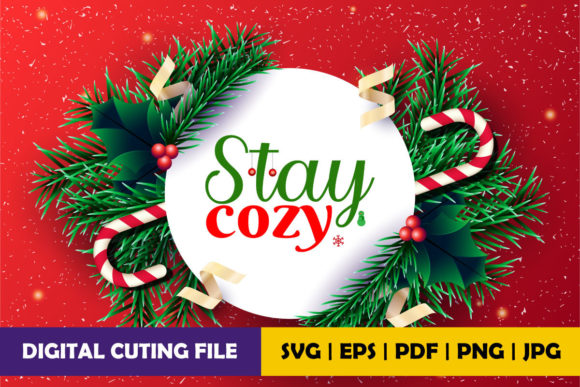
The immediate mood of Stay Cozy is inviting. In the world of Graphics, simplicity often wins, but in embroidery, simplicity can be tricky. If a design is too simple, it lacks impact; if it is too complex, it becomes a stitching nightmare. This design strikes a balance that feels intentional. The layout appears clean, with a visual personality that leans towards modern farmhouse or minimalist boutique styles.
For an Etsy seller or craft business owner, this versatility is crucial. The design does not scream for attention with chaotic details, which means it can serve as a subtle accent on a high-end item or a bold statement on a basic garment. The shape and theme suggest it belongs on items associated with relaxation and home life. It feels native to the concept of hygge, making it a strong candidate for autumn and winter collections.
Real-World Application: The Sweatshirt Test
To truly evaluate Stay Cozy, I imagined applying it to a heavyweight cotton sweatshirt. This is a common request for custom apparel orders. The design’s structure seems robust enough to handle the texture of fleece or French terry fabric. When reviewing the potential stitch density, I looked for areas where the thread might bunch up or pull the fabric.
In this scenario, the design works well as a chest-left logo or a larger back print. The visual weight of the elements suggests that it would hold its own against the thick fabric without getting lost. For a small shop product, this reliability is key. You do not want to spend hours hooping and stitching only to have the design look flat or distorted. Stay Cozy appears to have the structural integrity needed for such applications, provided the correct stabilizer is used.
Tote Bags and Home Decor Potential
Beyond apparel, I considered how this machine embroidery design would perform on a canvas tote bag. Tote bags are a staple for handmade product sellers because they are practical and highly visible. The clean lines of Stay Cozy would contrast beautifully against the rougher weave of canvas.
I also envision this design on kitchen towels or pillow covers. As a personalized gift, adding a name below the main graphic could enhance its value. However, this depends on the scalability of the file. If the design includes intricate details, shrinking it for a small towel corner might cause legibility issues. It is essential to test the design at various sizes to ensure the running stitch and satin stitch elements remain crisp.
Technical Considerations and Stitching Clarity
From a technical standpoint, the success of any embroidery file depends on how it handles different stitch types. While I cannot verify the exact stitch count without opening the file, I can infer from the visual complexity. Designs that rely heavily on fill stitch areas require careful management of thread tension. If Stay Cozy uses dense fills, it may require a cut-away stabilizer to prevent puckering, especially on stretchy fabrics.
For baby embroidery projects, such as onesies or burp cloths, the softness of the final product is paramount. If the design has high stitch density, it might feel stiff against sensitive skin. In such cases, using a lighter weight thread or adjusting the underlay settings in your software could mitigate this. Always check if the design is optimized for smaller hoop size constraints if you plan to use it on infant garments.
Navigating Fabric Textures and Colors
Fabric choice dramatically alters the outcome. On smooth cotton, Stay Cozy will likely appear sharp and defined. On textured fabrics like linen or waffle knit, the threads may sink into the weave, reducing clarity. I recommend testing the design on scrap fabric that matches your final product material.
Color selection is another critical factor. The design’s effectiveness relies on thread colors that provide sufficient contrast. For a cozy vibe, earth tones, muted pastels, or classic neutrals work best. Avoid high-contrast neon combinations unless you are aiming for a specific retro aesthetic. Testing the design in black and white mockups can help you assess the silhouette and ensure the design reads well regardless of color choices.
Commercial Viability and Brand Consistency
For commercial embroidery professionals, consistency is everything. Stay Cozy fits well within a broader brand narrative focused on comfort and lifestyle. It can be part of a cohesive collection that includes other seasonal designs. Using consistent design assets helps build brand recognition.
When creating printable mockup images for online listings, this design offers clear visual appeal. It photographs well because the shapes are distinct. This translates to higher buyer engagement on platforms like Etsy. Customers are drawn to products that look professional and well-executed. A clean, well-stitched Stay Cozy design signals quality, fostering customer trust.
Practical Designer Notes for Best Results
Before committing to a full production run, keep these practical tips in mind:
- Test on Scrap Fabric: Always stitch out the design on the same type of fabric you intend to use for the final product. This reveals any issues with tension or registration.
- Check Stabilizer Compatibility: Match your stabilizer to the fabric weight. Heavy fabrics may need less support, while light or stretchy fabrics require robust stabilization.
- Verify Licensing: Since Stay Cozy is described as a digital file for special occasions, confirm the license terms. Ensure you are allowed to sell finished items made with this design if you are running a craft business.
- Inspect Small Details: Zoom in on the design file. Look for tiny elements that might break during stitching. If necessary, simplify or remove extremely small details.
- Consider Hoop Size: Ensure the design fits comfortably within your machine’s hoop capabilities without requiring excessive re-hooping, which can lead to misalignment.
Final Verdict
Stay Cozy is a promising addition to any designer’s library. It offers the flexibility needed for various embroidery project types, from sweatshirt embroidery to home decor. Its strength lies in its adaptable aesthetic and apparent structural soundness. By paying attention to fabric choice, stabilizer selection, and thread contrast, you can maximize the potential of this digital embroidery file.
For small business owners and hobbyists alike, this design represents a solid investment in creating high-quality, marketable goods. It captures the essence of comfort, making it an ideal choice for gifts and personal use. Just remember to do your due diligence with test stitches and license verification to ensure a smooth and successful crafting experience.