Stop Expecting Normal: A Designer's Review for Embroidery
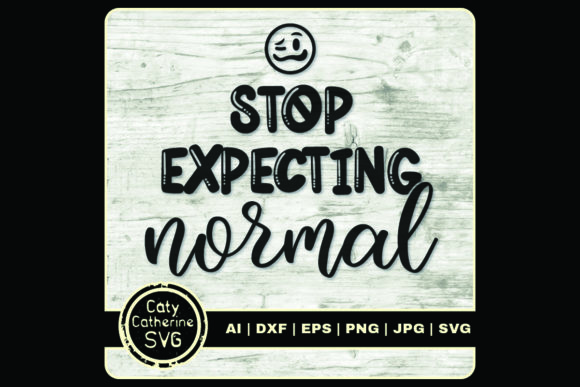
When I first pulled up the Stop Expecting Normal design file on my workstation, my immediate reaction wasn't just about the typography; it was about the attitude. In the world of crafts and graphics, we see thousands of inspirational quotes daily. Most feel safe, sanitized, or overly generic. This piece, designed by Caty Catherine, cuts through that noise. As a designer who spends hours staring at stitch simulations and digitizing software, I look for files that translate well from a vector screen to a physical thread. Here is my practical evaluation of how this design performs in real-world embroidery scenarios.
First Impressions and Visual Personality
The visual personality of Stop Expecting Normal is bold without being aggressive. The layout suggests a modern, slightly rebellious aesthetic that fits perfectly with current trends in boutique apparel and home decor. When reviewing a new embroidery file, I always check the balance of negative space against the text weight. This design offers a solid structure that implies it would convert beautifully into a satin stitch application for the lettering, potentially backed by a subtle fill stitch if the user chooses to add a background shape or box.
The mood it creates is one of empowered individuality. It is not a soft, whispering sentiment; it is a statement. For an Etsy seller or a small shop product creator, this kind of clear messaging is gold. It stops the scroll. In terms of design assets, having access to formats like SVG, EPS, and AI means you aren't locked into a single workflow. You can manipulate the vectors in Illustrator or CorelDRAW before sending them to your digitizing software or directly to your machine if you are using a compatible cutter-embroiderer setup.
Real-World Application: The Custom Tote Bag Scenario
To truly test the viability of this design, I imagined a specific client project: a custom order for a local artist collective needing branded tote bag designs. They wanted something that reflected their non-conformist approach to art. Stop Expecting Normal was the obvious candidate.
In this scenario, the design shines on canvas or heavy cotton twill. These fabrics provide the stability needed for crisp text. If you were to run this as a machine embroidery design on a standard 5x7 hoop, the scaling possibilities are excellent. You could place it centrally for a classic look or offset it near the bottom hem for a streetwear vibe. The clarity of the letters ensures that even from a distance, the message is legible. For a handmade product intended for sale at a craft fair, this level of readability increases perceived value. Customers are more likely to trust a brand that presents its message clearly and professionally.
Beyond tote bags, imagine this on a sweatshirt embroidery project. A oversized crewneck in a neutral heather grey with this phrase stitched in high-contrast black or deep navy thread would be a bestseller. The design's simplicity allows the fabric texture to play a role, adding depth to the finished product without overwhelming the garment.
Technical Considerations and Fabric Challenges
While the design is strong, a responsible reviewer must address where caution is needed. Not every surface is ready for Stop Expecting Normal. If you are working with stretchy fabrics like thin jersey knits for baby embroidery projects, you must be vigilant. Without the proper stabilizer, the tension of the stitching could cause the fabric to pucker, distorting the clean lines of the text. I always recommend testing on scrap fabric first, especially when dealing with phrases where letter spacing is critical.
Curved surfaces present another challenge. If you plan to put this on a cap, the curvature of the front panel can compress the design visually. You may need to adjust the height-to-width ratio slightly in your software to compensate for the optical illusion created by the curve. Additionally, pay attention to stitch density. If the design is dense, it might become stiff on lightweight materials like silk or linen tea towels. For these delicate items, consider reducing the density or opting for a running stitch outline if the file allows for modification, though the provided formats suggest a solid fill approach is intended.
Dark fabrics require a different strategy. To maintain the impact of the quote, you cannot simply stitch white over black without a underlay. Ensure your machine settings include a robust underlay stitch to prevent the dark fabric from peeking through the letters, which would ruin the professional look of your custom apparel.
Commercial Viability and Brand Consistency
For commercial embroidery professionals and digital product sellers, consistency is key. Using Stop Expecting Normal across a line of products—patches, pillows, and aprons—creates a cohesive brand identity. The design acts as a anchor. When a customer sees this phrase on an embroidered patch and then again on a pillow cover, it reinforces brand recognition.
The inclusion of transparent PNGs and JPGs in the package is a thoughtful touch for creating printable mockups. Before you ever thread your needle, you can visualize how the design looks on different colored garments. This saves time and reduces waste, a crucial factor for running a profitable craft business. However, always verify the licensing terms provided by Caty Catherine. While the file formats (SVG, DXF, EPS, AI) suggest versatility for both cutting and embroidery, confirming whether the license covers unlimited physical sales or has restrictions on digital redistribution is a necessary step before launching your Etsy listings.
Practical Notes for the Maker
Before committing to a final production run, keep these practical tips in mind:
- Thread Contrast: Experiment with thread colors. While black and white is classic, a metallic gold or a vibrant neon could elevate the "normal" breaking theme.
- Hoop Size: Confirm your hoop size matches the design dimensions. If the design is large, you may need a larger hoop or a re-hooping strategy.
- Detail Inspection: Zoom in on the vector files. Check for any stray nodes or overlapping paths that could confuse your embroidery software during the digitizing phase.
- Wash Testing: If selling holiday embroidery gifts or items meant for frequent use, wash your test sample. Ensure the threads do not bleed and the stabilizer dissolves or tears away cleanly.
- Light vs. Dark: Always view your mockup in both light and dark modes. A design that pops on white might vanish on navy if the contrast isn't managed.
Ultimately, Stop Expecting Normal is more than just a string of words; it is a versatile tool for creators who want to make a statement. Whether you are decorating a nursery, branding a boutique, or making a personalized gift, this design holds up under scrutiny. It respects the intelligence of the viewer and the skill of the maker. By approaching it with the right technical preparation and creative vision, you can turn this digital asset into a tangible product that resonates with people who, quite frankly, are tired of the status quo.