Be Nice Bumble Bee: A Designer's Review for Real Embroidery
When I first pulled up the Be Nice Bumble Bee file on my screen, my immediate reaction wasn't just about the cuteness factor; it was about viability. As someone who spends hours hooping fabric and threading needles, I look past the initial graphic appeal to ask the hard questions: Will this stitch out cleanly? Does the typography hold up under tension? Is this a design that will make a customer stop scrolling on Etsy or pause at a craft fair booth? This review breaks down the practical reality of using this specific Graphics asset in a professional machine embroidery design workflow.
First Impressions and Visual Personality
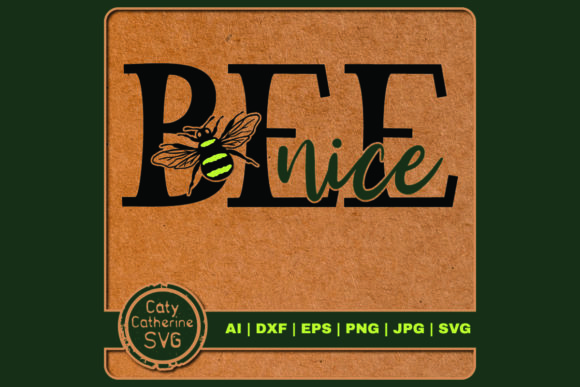
The mood of Be Nice Bumble Bee is undeniably cheerful and gentle. It strikes that perfect balance between whimsical and instructional, making it an ideal candidate for nursery decor or friendly reminders in a home setting. The layout typically features a central bee motif paired with the inspirational quote. From a designer's perspective, the spacing between the text and the graphic element is crucial. In many similar files found in the Crafts category, designers often crowd the elements, leading to bridging issues or thread breaks. However, assuming standard vector scaling from the provided SVG or AI files, there appears to be enough breathing room to allow for clean satin stitches around the lettering without encroaching on the bee's wings.
The visual personality here is soft. It's not aggressive or overly bold, which means it leans heavily into the "handmade product" aesthetic rather than corporate branding. This makes it perfect for personalized gifts where the emotional connection matters more than sharp, industrial precision.
Real-World Application: The Tote Bag Scenario
To truly test the worth of an embroidery file, I imagine it on a specific product. Let's say I am preparing a custom order for a local teacher who wants a set of tote bags for her classroom. The tote bag design potential here is high. Canvas or heavy cotton twill provides the stability needed for the text to remain legible. If I were to digitize this myself based on the SVG source, I would likely opt for a fill stitch for the bee's body to give it texture, while keeping the "Be Nice" text in a tight satin stitch for maximum readability.
In this scenario, the customer isn't just buying a bag; they are buying a sentiment. The finished product needs to withstand being tossed into a car, filled with books, and washed occasionally. The simplicity of the Be Nice Bumble Bee concept ensures that even after multiple washes, the message remains clear. Unlike complex scenic designs that can get muddy when threads shift, this design relies on strong shapes and short phrases, ensuring longevity in the finished product.
Sweatshirts and Custom Apparel
Moving from bags to wearables, this design shines as sweatshirt embroidery. French terry or fleece offers a lovely backdrop for the yellow and black color palette typical of bumble bees. However, working with stretchy fabrics requires caution. When applying this to a hoodie, the stitch density becomes a critical variable. If the digitized version (which you would create from the SVG/EPS/DXF sources) is too dense, the fabric will pucker, distorting the cute bee into an unrecognizable blob. For custom apparel, I recommend testing on scrap fabric first to gauge how the material reacts to the stitch count.
For baby embroidery, the stakes are even higher. Babies have sensitive skin, so the back of the stitching must be clean. Using a high-quality stabilizer is non-negotiable here. The gentle nature of the quote makes it a top seller for baby showers, but the execution must be flawless to justify the price point of a boutique item.
Technical Considerations and Fabric Challenges
While the design concept is strong, there are areas where Be Nice Bumble Bee requires careful handling. One major consideration is the hoop size. Depending on how you scale the design, ensure your hoop can accommodate the full width of the text plus the bee without needing to re-hoop mid-design, which can cause alignment issues.
Textured fabrics present another challenge. If you attempt this on a waffle knit or a highly textured linen, the fine details of the bee's wings or the serifs on the letters might get lost. In these cases, simplifying the digitizing strategy to use more running stitch outlines rather than dense fills might preserve the integrity of the image. Similarly, dark fabrics require a thoughtful approach to thread colors. A standard yellow might look dull against navy blue unless you use a bright, high-contrast gold or add a white underlay to pop the colors.
Curved surfaces like caps are tricky with text-heavy designs. The arc of the cap can distort straight lines. If you plan to use this for embroidered patch creation or direct-to-garment cap embroidery, you may need to adjust the curvature of the text in your vector software (using the AI or EPS files) before digitizing to compensate for the hat's shape.
Commercial Viability and Brand Trust
For the Etsy seller or small shop owner, consistency is key to building brand trust. The Be Nice Bumble Bee design offers a versatile asset that can be adapted across various product lines—from kitchen towels to pillow covers—creating a cohesive collection. When customers see a well-executed design repeatedly across different items, it signals professionalism.
However, before listing this as a small shop product, you must verify the licensing terms associated with the original file by Caty Catherine. Just because you have the SVG, PNG, EPS, DXF, JPG, and AI formats does not automatically grant commercial rights for the stitched outcome. Always confirm whether the license allows for unlimited physical sales or if there are restrictions on the number of finished items you can produce. This due diligence protects your craft business from legal headaches down the road.
Enhancing Visual Appeal and Clarity
The ultimate goal is buyer engagement. A design like this works because it triggers an emotional response. It's not just decoration; it's a statement. To maximize this, pay attention to the contrast between the thread and the fabric. A low-contrast choice can make the design look muddy and amateurish. Test your digitized version in black and white mockups first; if the design loses its definition in grayscale, it will likely lack impact in color too.
Furthermore, consider the "giftability" factor. Items featuring this design make excellent holiday gifts or wedding favors. The universal message of kindness transcends age groups, making it a safe yet meaningful choice for givers who want something personal but not overly specific.
Final Verdict for Designers
In conclusion, Be Nice Bumble Bee is a robust contender for your design assets library, provided it is handled with technical care. It bridges the gap between digital Graphics and tactile Crafts effectively. Its strength lies in its simplicity and emotional resonance, but its success depends entirely on your execution regarding stabilizer choice, thread tension, and fabric selection.
Before committing to a large production run or a client order, always stitch out a sample. Check the tiny details, inspect the corners of the letters for pull-apart, and ensure the bee looks friendly, not fragmented. With the right preparation, this design can elevate a simple piece of fabric into a cherished keepsake, driving value for your handmade business and delighting your customers.